Kern Place Historic District Status and What It Means
August 13, 2026
August 13, 2026
Every listing description, every neighborhood guide, every Instagram reel filmed on Cincinnati Avenue calls Kern Place "historic." It is, in the sense that people have lived there since 1914 and some of the houses are old enough to have outlived several roofs. But historic in the way most buyers assume, meaning a neighborhood where the city reviews your paint color and your window replacements before you touch them, is not what Kern Place is. Check the City of El Paso's own list of locally designated historic districts and Kern Place is not on it. Austin Terrace is. Chihuahuita is. So are Downtown, Magoffin, Manhattan Heights, Mission Trail, Old San Francisco, Sunset Heights, and Ysleta. That's nine districts, and Kern Place isn't one of them.
That single fact explains more about how the neighborhood actually functions, block by block, than any amount of median-price data.
In El Paso, historic designation isn't a vibe. It's an "H" overlay on the official zoning map, and it comes with a specific consequence: any exterior change to your property, from re-roofing to repainting to swapping out a window, has to go through the Historic Preservation Office or, for bigger projects, the Historic Landmark Commission. The city's planning page spells out what falls under that review: landscaping, painting, re-roofing, walkway repair, fences, window and door replacement. Homeowners in a true historic district file a Certificate of Appropriateness before they can move forward on any of that, and depending on the scope of the work, they wait on a commission hearing.
None of that applies in Kern Place. Structural work still needs a standard city building permit, the same as anywhere else in El Paso, but there is no design review layer sitting on top of it. No HPO sign-off on your stucco color. No commission meeting to approve your new porch railing.
There's an irony here that traces back to the neighborhood's founder. Peter Kern developed the subdivision starting in 1914 and, according to the historical record, he explicitly did not want commercial properties on his land. In 1915, he had 500 trees planted in what became Madeline Park and gave the park to the city later that same year. He wanted the neighborhood to hold a particular character permanently.
It didn't. The Cincinnati Entertainment District, full of bars, restaurants, and other commercial businesses, now runs directly through the neighborhood Kern tried to keep purely residential. Even the original developer's vision for permanence gave way to a century of unregulated change, because there was never a formal mechanism to enforce it once he sold the land in 1926. Kern Place has always evolved on the strength of individual owners' choices rather than a standing review board, and that pattern didn't start with modern flippers. It's baked into the neighborhood's whole history.
If you're cross-shopping Kern Place against other West Side pockets that also get called historic, the regulatory gap is worth putting side by side.
| Neighborhood | Locally designated historic district | Exterior changes reviewed by a city body |
|---|---|---|
| Kern Place | No | No |
| Sunset Heights | Yes, since 1984 | Yes, HPO/HLC |
| Manhattan Heights | Yes | Yes, HPO/HLC |
Sunset Heights got its local designation in 1984, decades after the neighborhood itself was built, and residents there now operate under a building code specific to the district. Manhattan Heights was added to the National Register in 1980 and has its own Memorial Park Improvement Association working on restoration and advocacy. Both neighborhoods carry the paperwork that "historic" is supposed to imply. Kern Place carries the name without the paperwork.
This isn't a case for one neighborhood over another. It's a trade-off, and it cuts both ways depending on what you're trying to do.
If you're buying in Kern Place to renovate, the absence of HPO review means your timeline is shorter and your material choices are yours. You don't file a Certificate of Appropriateness to swap a window style, wait for a commission date, or match a designated palette. That flexibility is a real advantage for a buyer who wants to move fast on a remodel.
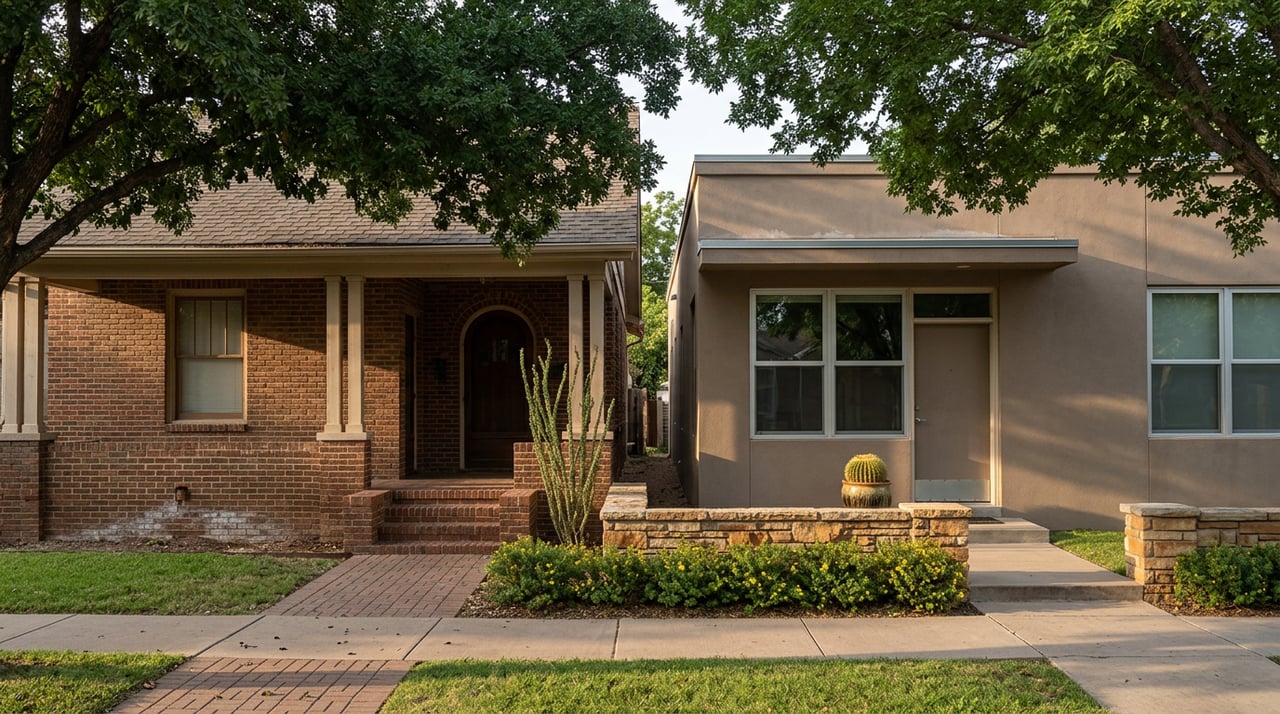
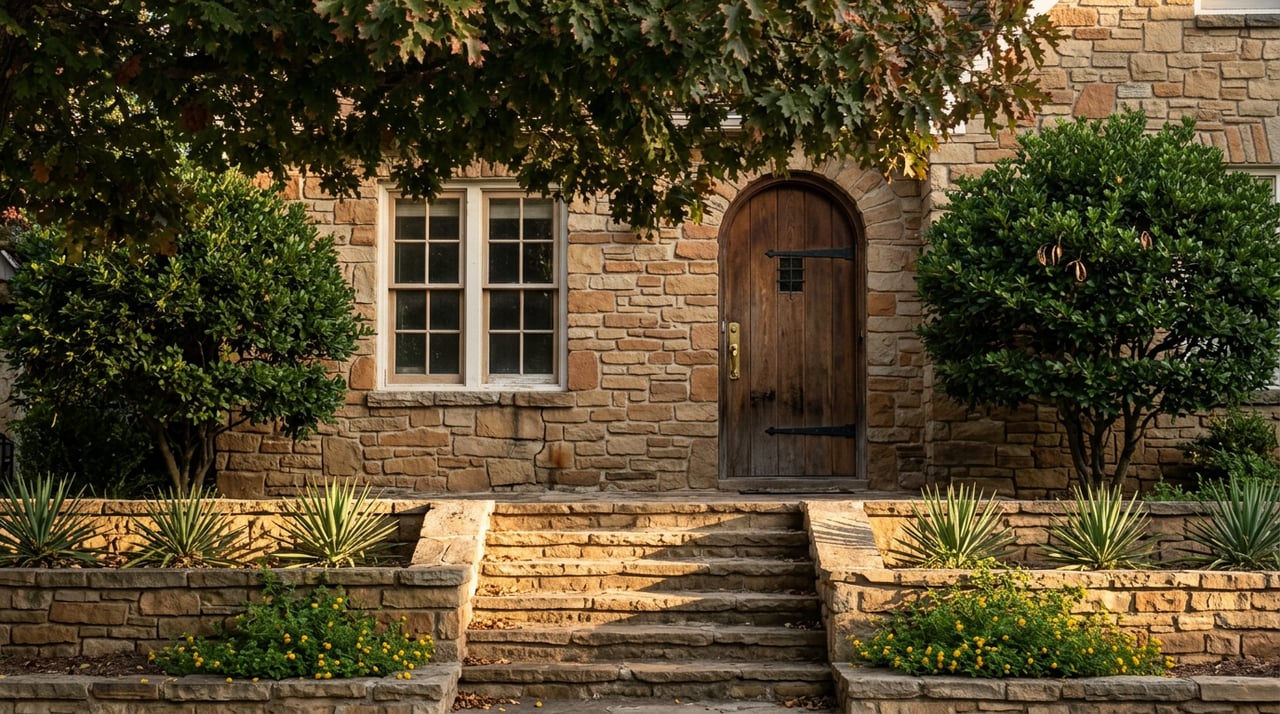
If you're buying in Kern Place because you love the century-old bungalow next door, that same flexibility means nothing stops the owner of that bungalow from replacing it with something entirely different in style and scale, provided it clears standard permitting. There's no design review standing between an out-of-character new build and the block you fell in love with. In Sunset Heights or Manhattan Heights, that kind of change would trigger commission review. In Kern Place, it doesn't.
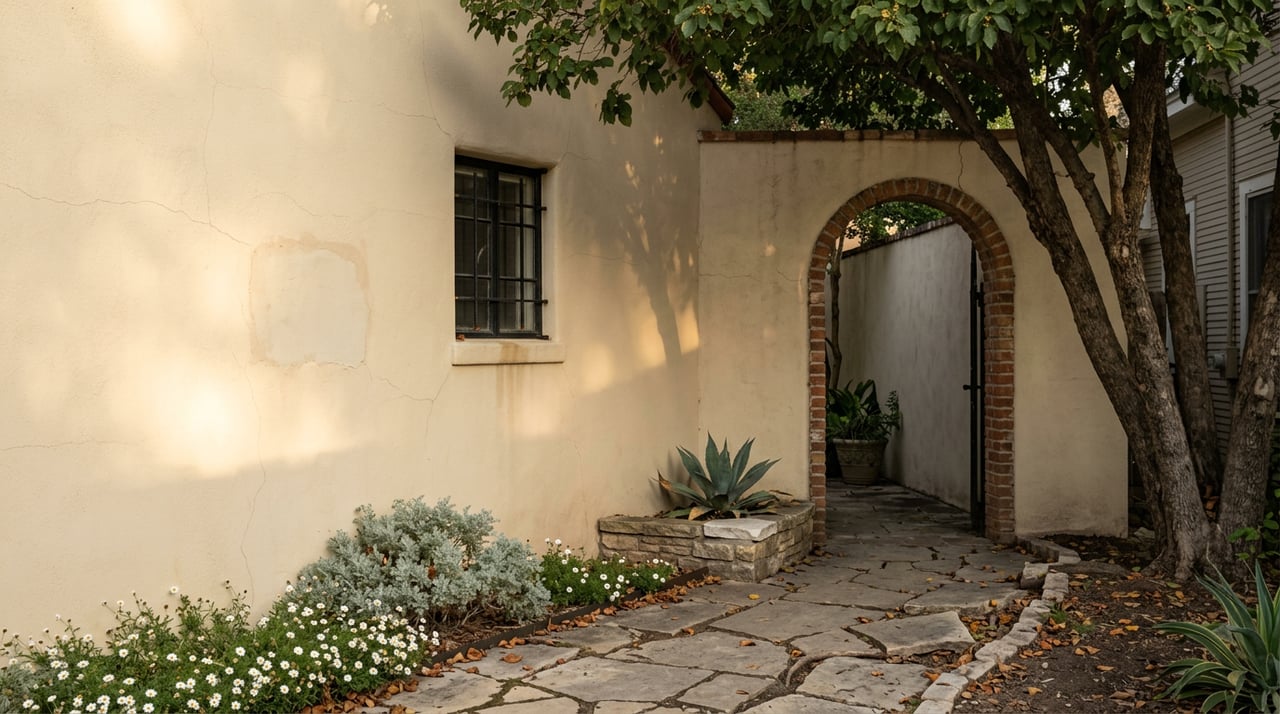
That's the actual mechanism behind something every visitor to Kern Place notices and few explain: the mix of unrestored 1920s bungalows, gut-renovated interiors behind original facades, and newer builds sitting on the same street. It isn't organic variety so much as the predictable outcome of a neighborhood with no design uniformity requirement layered on top of a century of individual ownership decisions.
The historic-district question isn't the only thing buyers assume incorrectly about older Westside homes. A lot of due diligence in Kern Place has nothing to do with regulation and everything to do with soil. According to a 2026 write-up from Noble Property Inspections, much of El Paso's Westside sits on expansive clay soils that swell when wet and shrink when dry, creating a slow push and pull on foundations over years. The same source specifically names Kern Place, alongside Eastwood and far east El Paso, as an example of a market where understanding local geology before closing matters as much as understanding the house itself.
Older homes in the neighborhood often sit on pier-and-beam foundations rather than slab, which behave differently under that clay movement and can call for different moisture control strategies during a renovation. None of this is unique to Kern Place, and it isn't a historic-district issue at all. It's a reminder that "old house" due diligence in El Paso runs on two separate tracks: what the city regulates on the surface, and what the soil is doing underneath it. A buyer who only researches one of those tracks is only half prepared.
There's one more wrinkle worth knowing before you assume historic-sounding neighborhoods play by different rules than everywhere else. Texas Senate Bill 2, passed in 2023, requires cities statewide to allow accessory dwelling units, commonly called casitas here, in single-family zones. El Paso's Unified Development Code has been updated to reflect that change. A detached casita or garage apartment still needs a permit, a site plan showing setbacks, and utility connection approval, but the underlying right to build one now exists regardless of whether the lot sits in Kern Place, Sunset Heights, or anywhere else zoned single-family. The historic label affects whether your exterior renovation gets reviewed. It doesn't affect your baseline right to add a casita.
Is Kern Place an official historic district in El Paso? No. The City of El Paso's nine locally designated historic districts are Austin Terrace, Chihuahuita, Downtown, Magoffin, Manhattan Heights, Mission Trail, Old San Francisco, Sunset Heights, and Ysleta. Kern Place is not among them, which means exterior renovations there don't go through Historic Preservation Office or Historic Landmark Commission review.
Do I still need a permit to renovate a Kern Place home? Yes. Standard city building permits still apply to structural work, electrical, plumbing, and similar projects, the same as anywhere in El Paso. What you skip in Kern Place is the added design-review layer that governs exterior appearance in true historic districts.
Can I build a casita on a Kern Place lot? In most single-family zones, yes, subject to a standard permit, a site plan showing setbacks, and utility connection requirements under El Paso's updated Unified Development Code. That right comes from state law, not from the neighborhood's historic status.
What should I ask an inspector to focus on in an older Kern Place home? Foundation type and any signs of movement tied to expansive clay soil, given how common that geology is across El Paso's Westside, along with the age and condition of electrical, plumbing, and roofing systems typical of homes built across the neighborhood's early-1900s-to-1950s span.
If you're comparing Kern Place against Sunset Heights or another West Side pocket and want to know what a specific property's regulatory status and renovation runway actually look like before you write an offer, that's exactly the kind of groundwork worth doing with someone local. Desiree Nicole Luna works these streets and these transactions regularly, and a home valuation or a straightforward conversation costs you nothing but a little time. Let's Connect.
Stay up to date on the latest real estate trends.
Every successful real estate journey begins with trust. I believe in building lasting relationships through honest communication, thoughtful guidance, and personalized service, helping you navigate every decision with confidence while making you feel supported long after closing day.